
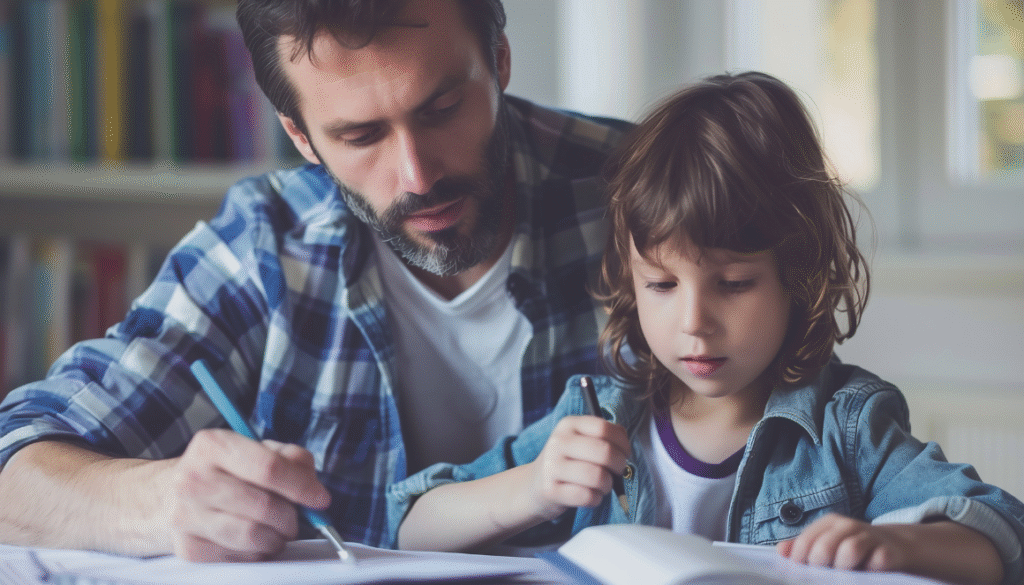
How to Be a Positive Role Model for Your Child’s Development
Source: https://realitypathing.com/how-to-be-a-positive-role-model-for-your-childs-development/
Being a parent is one of the most rewarding yet challenging roles in life. Children look up to their parents and caregivers as their first teachers and examples. The way you act, communicate, and approach life significantly influences your child’s emotional, social, and cognitive development. Being a positive role model is essential for nurturing well-rounded, confident, and responsible individuals.
This article explores practical strategies and insights to help you become a positive role model for your child’s development.
Understand the Importance of Role Modeling
Children learn more by observing than by listening. From infancy through adolescence, children mimic behaviors, attitudes, and habits they see in adults around them. When parents demonstrate kindness, resilience, honesty, and patience, children absorb those values naturally.
Research shows that children with positive role models are more likely to develop healthy self-esteem, empathy, and better social skills. On the other hand, negative role modeling can contribute to behavioral problems and poor coping mechanisms.
Understanding this responsibility encourages parents to be mindful of their actions in everyday life.
Cultivate Emotional Intelligence
Emotional intelligence (EI) is the ability to recognize, understand, and manage one’s own emotions while empathizing with others. Developing EI in your child starts with how you handle your feelings and relationships.
Be Open About Your Emotions
Share your feelings with your child in age-appropriate ways. For example, saying “I’m feeling a little tired today” or “I’m happy we spent time together” teaches children that expressing emotions is natural and healthy.
Show Empathy Consistently
Model empathetic behavior by listening attentively when your child or others speak about their feelings. Validate their emotions instead of dismissing them. This practice helps children develop compassion and interpersonal sensitivity.
Manage Stress Positively
Children notice how you handle stress and frustration. Use constructive coping mechanisms such as deep breathing, taking breaks, or talking things through calmly rather than yelling or withdrawing. Demonstrating healthy emotional regulation equips your child with tools to manage their own stress.
Demonstrate Respect and Kindness
Respectful behavior fosters an environment of safety and trust at home. When your child sees you treating people—including family members, friends, neighbors, and even strangers—with dignity and kindness, they learn to do the same.
Practice Politeness Daily
Use please, thank you, excuse me, and other polite phrases consistently in front of your child. Encourage them to use these words too. This simple habit builds social competence.
Show Respect for Differences
Expose your child to diverse perspectives and cultures by celebrating differences rather than ignoring or disparaging them. Share stories or experiences that highlight inclusivity. This openness nurtures acceptance and broadens your child’s worldview.
Resolve Conflicts Peacefully
Disagreements are inevitable but how you resolve them matters greatly. Avoid shouting or blaming; instead use calm discussion to find solutions. Demonstrating conflict resolution teaches problem-solving skills.
Encourage Curiosity and Lifelong Learning
A positive role model inspires a love for learning that goes beyond formal education.
Exhibit Passion for Learning
Share your interests or hobbies with enthusiasm. Whether it’s reading books, exploring nature, cooking new recipes, or practicing a musical instrument—show that learning can be fun at any age.
Ask Questions Together
Encourage curiosity by asking questions aloud about the world around you. Invite your child to explore answers with you rather than providing quick solutions. This cultivates critical thinking.
Support Effort Over Perfection
Praise hard work and persistence more than innate talent or outcomes. When children see parents valuing effort, they develop resilience to face challenges without fear of failure.
Maintain Healthy Lifestyle Habits
Physical health influences emotional wellbeing and cognitive function. As a role model, demonstrating healthy lifestyle choices sets the foundation for lifelong habits in your child.
Eat Balanced Meals Together
Involve your child in meal planning and preparation emphasizing nutritious foods such as fruits, vegetables, whole grains, lean proteins, and water intake. Family meals promote bonding too.
Prioritize Physical Activity
Be active daily through walking, playing sports, dancing, or other enjoyable activities. Invite your child to join you instead of using screen time as default entertainment.
Establish Sleep Routines
Model consistent sleep schedules that allow adequate rest each night. Explain why rest is important for energy levels and mood regulation.
Encourage Responsibility and Accountability
Teaching responsibility empowers children to make good choices and understand consequences.
Assign Age-Appropriate Tasks
Encourage independence by giving chores suitable for their age such as tidying toys or helping set the table. Completeness builds confidence in their abilities.
Admit Your Mistakes
Show humility by acknowledging when you’re wrong or have made an error. Apologize sincerely when appropriate. This behavior teaches accountability and forgiveness.
Discuss Consequences Calmly
When rules are broken or mistakes happen discuss outcomes respectfully rather than punishing harshly or shamefully. Help children understand cause-effect relationships constructively.
Foster Open Communication
Creating a safe space where your child feels heard builds trust essential for healthy development.
Listen Actively Without Interrupting
Give full attention during conversations by maintaining eye contact and nodding affirmatively. Reflect back what the child says to confirm understanding.
Encourage Expression Without Judgment
Allow freedom of thoughts and feelings even if opinions differ from yours. Avoid criticism that could discourage sharing.
Use Positive Language
Frame instructions or feedback positively instead of focusing on negatives e.g., “Please walk inside” rather than “Don’t run.”
Be Consistent Yet Flexible in Discipline
Consistency helps children understand expectations but flexibility teaches adaptability within boundaries.
Set Clear Rules Together
Involve children in creating house rules so they feel ownership over boundaries which makes adherence easier.
Use Positive Reinforcement
Reward good behavior with praise or privileges instead of relying solely on punishment for misbehavior.
Adapt Approaches as They Grow
Recognize developmental changes require different parenting methods; what works for a toddler might not suit a teenager but core values remain steady.
Prioritize Quality Time Together
Time invested with your child strengthens emotional bonds that underpin healthy development.
Engage in Meaningful Activities
Choose games, crafts, reading sessions or outdoor adventures that foster interaction rather than passive screen watching alone.
Establish Rituals
Create routines like bedtime stories or weekend walks that provide predictability comforting for kids amidst busy schedules.
Be Present Emotionally
Put away distractions like phones during together time to show genuine interest which deepens connections immensely.
Conclusion: Your Impact as a Role Model is Profound
Your behavior shapes the foundation upon which your child builds their identity and worldview. By practicing emotional intelligence, respectfulness, curiosity, healthy habits, responsibility, open communication, consistent discipline, and spending quality time together—you become a powerful positive role model for your child’s development.
Remember perfection is not required—your sincere effort to grow alongside your child makes the greatest difference in nurturing confident empathetic adults prepared for life’s challenges ahead.