
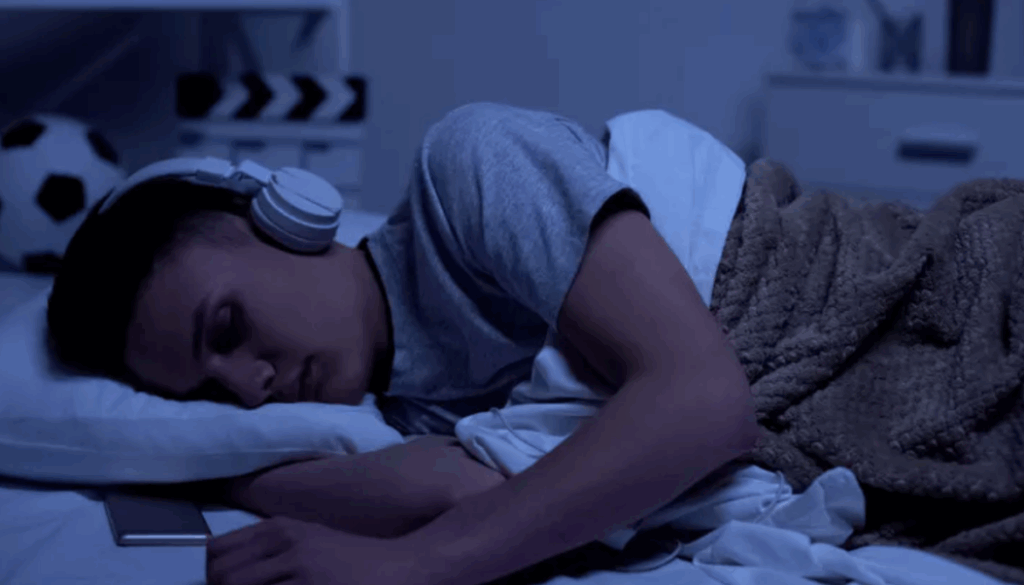
Brown Noise vs. White Noise vs. Pink Noise: Which Is Best?
Source: Very Well Health
“Noise colors” are terms used in audio engineering to describe different kinds of noise. The “colors” are differentiated by the amplitude of various frequencies across the audible spectrum. Typically, brown noise vs. white noise vs. pink noise are compared.1
Cirrus Research. The colours of noise: what are they and what do they mean?.
If you prefer background noise while working or sleeping or are using sounds to reduce stress, specific sound amplitudes are more helpful than others. Brown noise isn’t better than white noise or vice versa, and the same goes for pink noise. Which noise color is best depends on its intended use.
How Do Colors Have Noise?
“Noise colors” are differentiated by the amplitude (loudness) of the frequencies audible to the human ear. The most well-known “hue” is white noise, but several noise colors exist, including:
- White
- Pink
- Brown (also called red)
- Blue
- Violet
- Green
- Grey
- Black
The practice of naming noises after colors started with white noise. Just as white light is assumed to have a flat power spectrum over the entire visible range, white noise works similarly with sound, having equal power at all audible frequencies.
Differences
While white noise vs. brown noise vs. pink noise can sound similar, there are subtle differences.
White Noise
White noise is a combination of all the frequencies that can be heard by the human ear, ranging from 20 hertz (Hz) to 20,000 Hz. The frequencies encompassed by white noise are all at equal volumes, making it sound higher-pitched.
White noise has been associated with:
- Masking unwanted sounds
- Promoting relaxation
- Helping insomnia
- Treating tinnitus (a condition in which a person hears a high-pitched ringing)
- Managing attention deficit hyperactivity disorder (ADHD) symptoms
Some studies suggest it may also help relieve pain and crying in colicky babies.
In addition to engineered sound, examples of white noise include:
- TV and radio static
- Fans
- Steady running water/steady rain
- Air conditioner hum
- Radiator
- Vacuum cleaner
Pink Noise
Like white noise, pink noise contains all the frequencies audible to the human ear (20 Hz to 20,000 Hz), but the higher frequencies are less powerful than the lower frequencies.This gives pink noise a softer, more balanced sound reminiscent of many sounds found in nature.
Given its softer sound, pink noise is commonly considered more pleasing and relaxing than white noise. It is often used for background noise because it is less distracting than other types of noise.
Examples of pink noise include:
- Rain
- Wind
- Waterfall
- Rushing river
- Ocean waves
- Urban noises, such as traffic
- Heartbeats
- Rustling plants or trees
Brown Noise
Brown noise has more power in the lower frequencies, giving it a bass-heavy, richer, rumbling sound that is deeper than white and pink noise.1 It has rich sound-muffling qualities and is thought to improve focus, making it an effective listening choice while working.3
Some research suggests it may help improve concentration.
Examples of brown noise include:
- Driving noises
- Steady waterfall
- Heavy rainfall
- Running shower
- Crashing waves
- Thunder
Which Color of Noise Is Best for Me?
There isn’t a set “best color” overall or for certain activities. A lot of it comes down to personal preference. While there is some overlap, particular noise colors can be beneficial in certain situations.
ADHD
Several studies have shown white noise to be helpful for people with ADHD in certain ways. One study found that adding white noise to the environment enhanced the memory performance of children with ADHD symptoms. Conversely, this study found that the added white noise disrupted children who did not have ADHD symptoms.
Another study found that white noise benefited children and adults with ADHD symptoms. A 2016 pilot study suggests that exposure to 80 decibels (dB) of auditory white background noise can be an alternative or complementary treatment to medication for children with inattentive symptoms in school.
It should be noted, however, that prolonged exposure to 80 dB noise will cause permanent noise-induced hearing loss. More research is needed to confirm this potential.
The discrepancy between white noise enhancing the performance of those with inattentive symptoms and impairing those who are highly attentive is suggested to be due to differing levels of neural noise.
People with ADHD may have suboptimal dopamine levels, resulting in reduced neural noise levels that negatively impact cognitive performance. It’s proposed that white noise may increase neural noise, thus benefiting those with lower attention but hindering those whose neural noise levels are already optimal.
Sleep
In one study on the sleep quality of patients in an intensive care unit (ICU), white, pink, and brown noise all helped to improve sleep quality.
Pink noise: Research shows promising results for pink noise as beneficial for sleep. Earlier studies found that pink noise helped older adults improve their sleep quality.
While more research is needed, studies suggest pink noise may help decrease the time it takes to fall asleep and reach deep sleep, in addition to improving sleep quality. The optimal way to administer the pink noise is still being explored, including volume levels, syncing to brain waves, playing in short bursts at strategic times, and more.
White noise: Research shows white noise can also help with sleep by masking other noises that could disrupt sleep. For example, one study found that white noise helped to mask environmental noises, induce sleep, improve sleep, and maintain sleep for those in a coronary care unit.
Another study on healthy individuals found that filtered white noise administration was nearly as effective at promoting sleep latency (time to fall asleep) as a hypnotic sleep medication called eszopiclone at a 2 mg dose.
White noise may also help individuals stay asleep and promote uninterrupted sleep, especially among individuals who live in metropolitan areas with a lot of background noise.
Brown noise: Additionally, some prefer sleeping with the richer sound of brown noise (e.g., waterfalls and heavy rain).
Background noise, such as white, pink, or brown noise, can also be used as a regular cue to your body that it is time to sleep, helping you train your body to fall asleep more easily when background noise is turned on.
Is It OK to Listen to Brown, White, or Pink Noise Overnight?
Sleeping with background noise, such as brown, white, or pink noise, is generally considered safe as long as it is not too loud. Hearing loss can occur with repeated exposure to 85 A-weighted decibels (dBA) sounds and above. Sounds at or below 70 dBA are unlikely to cause hearing loss.
Anxiety
While not specifying the noise color, a 2017 study found that natural sounds, such as ocean waves and forest sounds, reduced patients’ anxiety when undergoing coronary artery bypass graft surgery (CABG). This procedure can cause anxiety, depression, worry, fear, and other psychological distress.
In addition to potentially improving concentration levels, brown noise may be beneficial as a technique to address anxiety and enhance relaxation.
Which color noise is best for anxiety depends on personal preference. White noise, pink noise, and personalized soundscapes such as brown noise can all contribute to reduced anxiety and improved relaxation.
What Does Anxiety Feel Like?
Anxiety can feel different for each person. It may involve feeling worried, on edge, restless, or irritable. It can make it difficult to concentrate on other thoughts and activities.
Anxiety can also cause physical symptoms, such as heart palpitations, headache, fatigue, sweating, muscle weakness, and chest pain.
How to Listen
You can find white, pink, and brown noise in nature, but because it is unlikely to thunderstorm every time you want to sleep, and you probably don’t have a loud waterfall in your backyard, you may want to find ways to create the sounds in your house.
Simple ways to create white noise include running a fan or turning a TV or radio to static.
For more nuanced and portable white, pink, or brown noise, consider using:
- A stand-alone sound machine
- A sound/sleep app
- White, pink, or brown soundtracks on YouTube or other websites or on a music-listening app
Some things to consider when choosing a method for listening to white, pink, or brown noise include:
- Types of sounds
- Sound quality
- Cost
- Volume control
- Sleep timer
Be careful of the volume. If you plan to listen to any background noise or music, especially for a prolonged period, check the decibel level to ensure it’s below 70 dBA. If you don’t have a tool to measure this, there are apps you can download to check the noise levels.